

A step-by-step guide for certified groups preparing for their next organic audit.
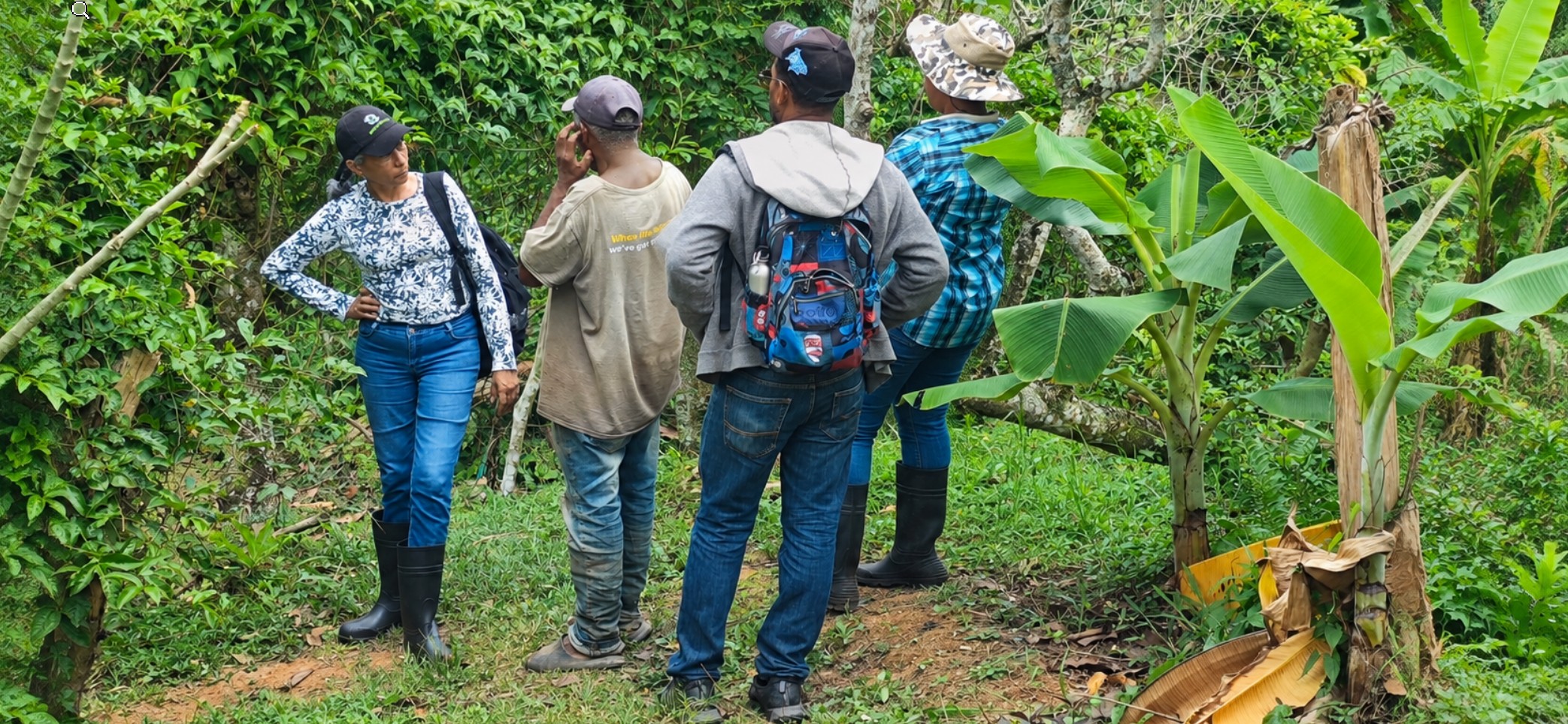
An organic audit shouldn’t be something you prepare for only in the days before the control body’s visit. For a cooperative or producer group, preparation starts much earlier: when a producer is registered, a plot is added, an internal inspection is carried out, or a non-conformity is detected.
For groups certified under an Internal Control System (ICS), the auditor doesn’t just review documents. They also check that the ICS is up to date, works in practice, and can demonstrate that the group keeps control over its members, production units, and activities.
Ahead of your next audit, this checklist can help you spot possible gaps.
Your ICS should reflect how the organization actually works. Check that the procedures for member admission, internal inspections, training, risk management, non-conformities, traceability, and responsibilities are all up to date.
All of this has its legal basis in Regulation (EU) 2018/848 on organic production and the labelling of organic products.
The key question is simple: does what our ICS says match what we actually do?
The member list is one of the core elements of group certification. Before the audit, review:
Registered information needs to match what’s actually found in the field. A useful exercise is picking a few producers at random and checking whether all their information is up to date.
Internal inspection is one of the ICS’s core functions. Every member must be inspected internally according to the applicable requirements, and the group needs to be able to show when the inspection took place, who carried it out, and what the result was. Check in particular:
Additional inspections should also be considered whenever the risk analysis calls for them.
It’s not just whether inspections happen — who carries them out matters too. Before the audit, make sure there’s an up-to-date list of internal inspectors and that you can show their training, competence, and assigned responsibilities.
Also check for possible conflicts of interest — an inspector’s independence is essential to the ICS’s credibility.
An effective ICS needs to be able to identify where the risks are greatest. For example:
Before the audit you should be able to answer: do we know which producers or units carry the highest risk, and why?
Logging a non-conformity isn’t enough. The ICS should be able to clearly show what happened next: finding → action → owner → deadline → evidence → closure.
Pay particular attention to:
What matters isn’t just spotting problems — it’s showing they were managed.
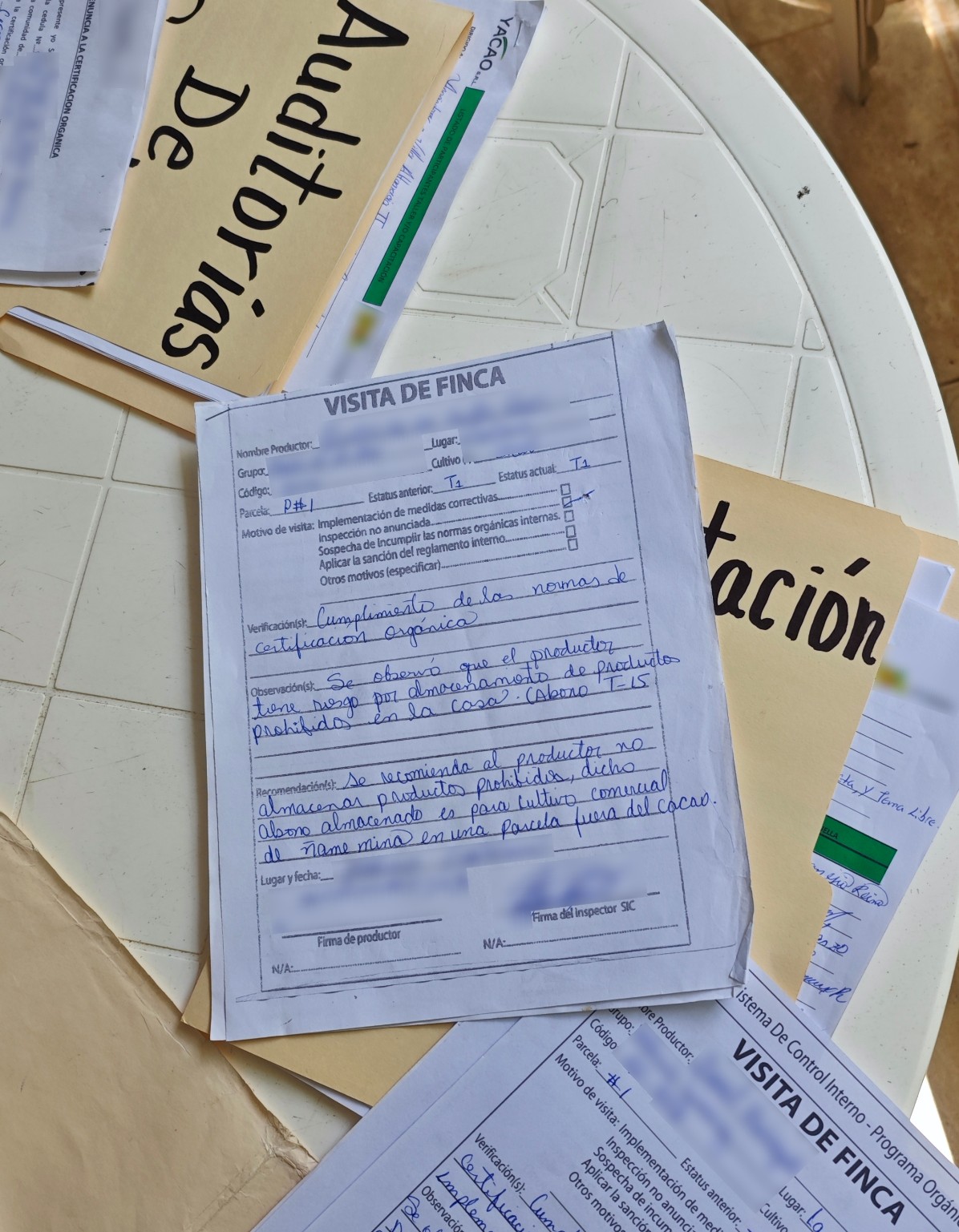
Changes made since the last audit deserve special attention. Check whether, over the past year, there were:
Make sure those changes went through the ICS’s procedures correctly and are documented. A very useful question: what has changed in our group since the last audit?
Don’t wait for the auditor to pick a producer or batch. Run the test yourself first. Pick a producer and check whether you can follow the information from:
Producer → plot → crop → harvest → delivery/collection → storage → sale
Then do the exercise in reverse: product or batch → producer → plot of origin.
Also check whether the quantities are consistent with registered areas, crops, estimated yields, harvests, and deliveries.
If reconstructing this information takes hours of digging through different spreadsheets, documents, photos, and paper forms, there’s room to improve how the ICS is organized.
One of the best ways to prepare is to run a mock audit. Pick a few producers at random and try to answer:
Then add one last question: how long does it take us to find this information? The answer can reveal a lot about how organized your ICS really is.
An audit gets a lot harder when information is scattered across spreadsheets, paper forms, Word documents, photos, and different folders. The information may well all exist — the problem shows up when you have to find it, connect it, and show it quickly.
That’s why preparing for an organic audit shouldn’t mean gathering documents at the last minute. It should mean keeping ICS information organized throughout the whole certification cycle.
Digitizing an Internal Control System doesn’t replace the work of the inspectors, the ICS manager, or the control body. But it can make managing it far easier.
With abunda+, producer groups can centralize key information such as producers, production units, georeferenced plots, internal inspections, questionnaires, evidence, photos, risks, and non-conformities — to manage a certified group’s ICS. That way, when the audit comes, the goal is no longer to reconstruct scattered information, but to show the work the ICS has done all year.
Pick three producers at random today. If you can quickly find their plots, inspections, risks, findings, and evidence, your system is probably well organized. If you need to dig through multiple files and folders to answer, it might be time to review how you manage your Internal Control System.
Want to see how abunda+ can help you digitize and organize your ICS? Request a demo of the platform.
Reference legislation: Regulation (EU) 2018/848 and related legislation applicable to groups of operators and Internal Control Systems.